 Main Street Dumpster Rental
Dumpster Weight Limit Overage Fees Baton Rouge
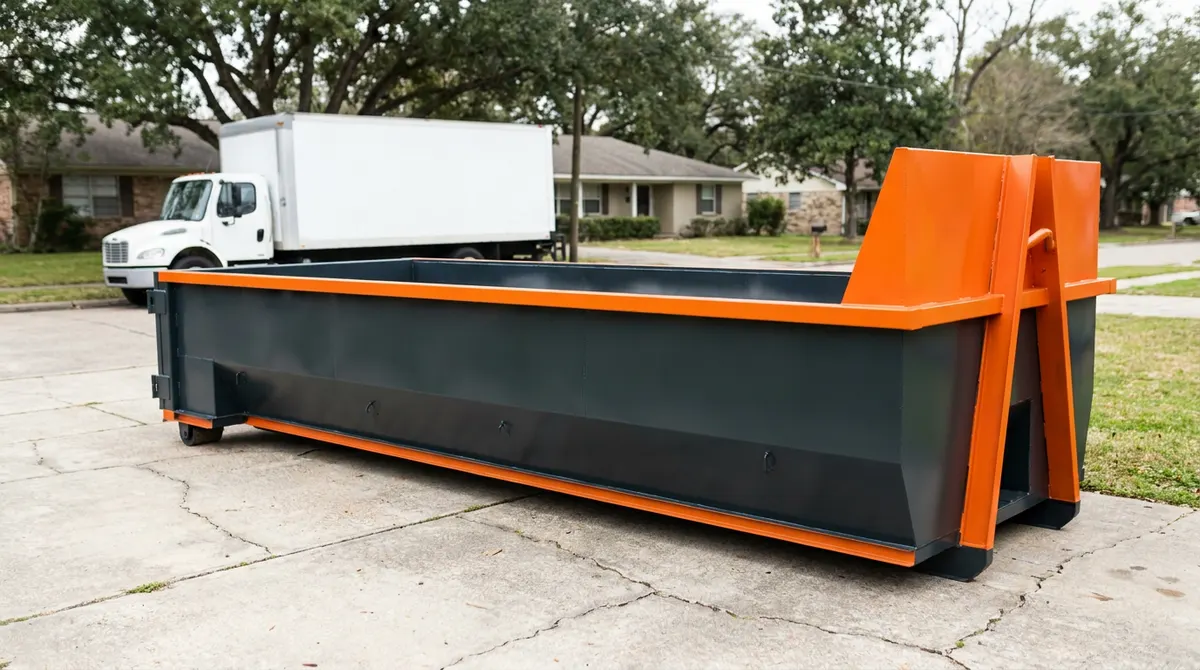
Dumpster weight limit overage fees in Baton Rouge are additional charges applied when the total weight of debris in a rented dumpster exceeds the initial tonnage allowance included in the rental agreement. These fees are a significant consideration for residents and contractors in areas like Spanish Town, Mid City, and Shenandoah, particularly when handling heavy materials such as concrete, soil, or roofing shingles, which can quickly push a container past its weight threshold, impacting the final cost of waste disposal in East Baton Rouge Parish.
Included Tonnage by Dumpster Size
<p>The included tonnage for a dumpster rental in Baton Rouge specifies the maximum weight of debris permitted before additional charges apply. Each dumpster size, from smaller 10-yard bins suitable for minor cleanouts in the Garden District to larger 40-yard containers for commercial projects near the Mall of Louisiana, comes with a standard weight allowance. Exceeding this allowance results in overage fees, which are calculated per ton.</p><table><thead><tr><th>Dumpster Size</th><th>Included Tonnage (Approx.)</th><th>Common Uses</th></tr></thead><tbody><tr><td>10 Yard Dumpster</td><td>1-2 Tons</td><td>Small bathroom remodels, garage cleanouts, yard waste from properties in University Gardens.</td></tr><tr><td>15 Yard Dumpster</td><td>2-3 Tons</td><td>Mid-sized cleanouts, single-room renovations, debris from flood-prone areas near the Amite River.</td></tr><tr><td>20 Yard Dumpster</td><td>3-4 Tons</td><td>Larger home renovations, roofing projects for homes in Broadmoor, extensive cleanouts.</td></tr><tr><td>30 Yard Dumpster</td><td>4-5 Tons</td><td>Major construction, commercial cleanouts, demolition debris from sites along Airline Highway.</td></tr><tr><td>40 Yard Dumpster</td><td>5-6 Tons</td><td>Large-scale construction, commercial demolition, extensive storm damage cleanup post-hurricane activity.</td></tr></tbody></table>
How Overage Charges Are Calculated
<p>Overage charges are calculated based on the weight exceeding the included tonnage, typically billed per additional ton. Once a dumpster is picked up from a location in Baton Rouge, such as a job site off Perkins Road or a residence in Old Goodwood, it is transported to a certified landfill or transfer station, where it is weighed on a truck scale. This measurement produces a scale ticket, which records the gross weight of the truck and the dumpster, the tare weight (empty truck and dumpster), and the net weight of the debris. If the net weight surpasses the tonnage limit specified in the rental agreement, an overage fee is applied for each additional ton, often ranging from $75 to $125 per ton. For instance, if a 20-yard dumpster with a 3-ton limit carries 4.5 tons of debris, the customer would be charged for 1.5 tons of overage, in addition to the base rental fee, which has a <a href="https://www.lsu.edu/facilities/cpdn/docs/standards/division%2001/017419.pdf" target="_blank">minimum charge of $595</a>. This system ensures that the landfill disposal cost is accurately covered for the actual volume and weight of waste generated.</p>
Heavy Materials That Trigger Fees
<p>Certain heavy materials commonly found in demolition and renovation projects in Baton Rouge can quickly lead to dumpster weight limit overage fees. Understanding these materials helps in planning and budgeting for dumpster rentals, especially for projects involving older homes in the Garden District or commercial sites near the Louisiana State Capitol.</p><ul><li><strong>Concrete:</strong> Dense and heavy, concrete from driveways, patios, or foundations (common in areas with older infrastructure) adds significant weight. A small section of a concrete slab can easily weigh several tons.</li><li><strong>Asphalt:</strong> Roofing shingles, especially from tear-offs in neighborhoods like Broadmoor or Sherwood Forest, absorb water, increasing their weight, particularly after Baton Rouge’s frequent afternoon thunderstorms.</li><li><strong>Brick:</strong> Debris from brick walls or pathways, often seen in historic properties or older residential areas, is exceptionally heavy.</li><li><strong>Dirt/Soil:</strong> Excavated soil, especially the heavy clay soils common in East Baton Rouge Parish, becomes even heavier when wet, which is a frequent occurrence due to the area's high annual rainfall.</li><li><strong>Rock/Gravel:</strong> Landscaping rock or gravel from yard projects or construction sites contributes substantially to total weight.</li><li><strong>Sand:</strong> Used in various construction applications, sand is dense and can accumulate quickly in a dumpster.</li><li><strong>Tree Stumps/Large Logs:</strong> While yard waste is generally lighter, large tree stumps or heavy logs from storm damage cleanup, particularly after tropical storms affecting areas like Jefferson Terrace, can be very dense.</li></ul>
How to Avoid Overage Charges
<p>Avoiding dumpster weight limit overage fees in Baton Rouge requires careful planning and strategic loading. These practices help manage the final cost of waste disposal for projects ranging from home cleanouts to major renovations near the LSU campus.</p><ul><li><strong>Estimate Debris Weight Accurately:</strong> Before renting, estimate the weight of your materials. For example, a cubic yard of concrete can weigh over 2 tons, while a cubic yard of general construction debris might weigh less than 1 ton. Resources like the <a href="https://www.epa.gov/smm/sustainable-materials-management-basics" target="_blank">EPA's Sustainable Materials Management</a> guidelines can offer insights into material densities.</li><li><strong>Choose the Right Dumpster Size and Tonnage:</strong> Opt for a dumpster with a higher included tonnage if you anticipate disposing of heavy materials. Discuss your project details with the rental company; they can recommend suitable sizes and weight allowances for jobs in specific Baton Rouge neighborhoods or for specific types of debris like roofing shingles or soil.</li><li><strong>Segregate Heavy Materials:</strong> If possible, separate heavy materials like concrete or dirt from lighter general debris. Some companies offer specific dumpsters for 'clean concrete' or 'clean dirt' at a different rate, which can be more cost-effective.</li><li><strong>Load Strategically:</strong> Place heavier items at the bottom and distribute them evenly. Avoid creating large piles of dense material in one section of the dumpster.</li><li><strong>Monitor Fill Levels and Weight:</strong> Keep track of what goes into the dumpster. If you're approaching the weight limit, consider renting a second, smaller dumpster or finding alternative disposal methods for the remaining heavy items.</li><li><strong>Protect the Driveway:</strong> Given the heavy clay soils in East Baton Rouge Parish, especially after rain, placing plywood under the dumpster can prevent rutting. This is not directly related to weight overages but is a critical consideration for dumpster placement. For more information on safely handling waste, consult <a href="https://www.osha.gov/waste-disposal" target="_blank">OSHA guidelines</a>.</li><li><strong>Understand the Rental Agreement:</strong> Review the terms and conditions, specifically the included tonnage and the per-ton overage fee. Clarify any ambiguities regarding potential charges before the dumpster is delivered to your property in areas like Mid City or Southdowns.</li></ul>
Need it handled now? See Dumpster Rental in Baton Rouge.